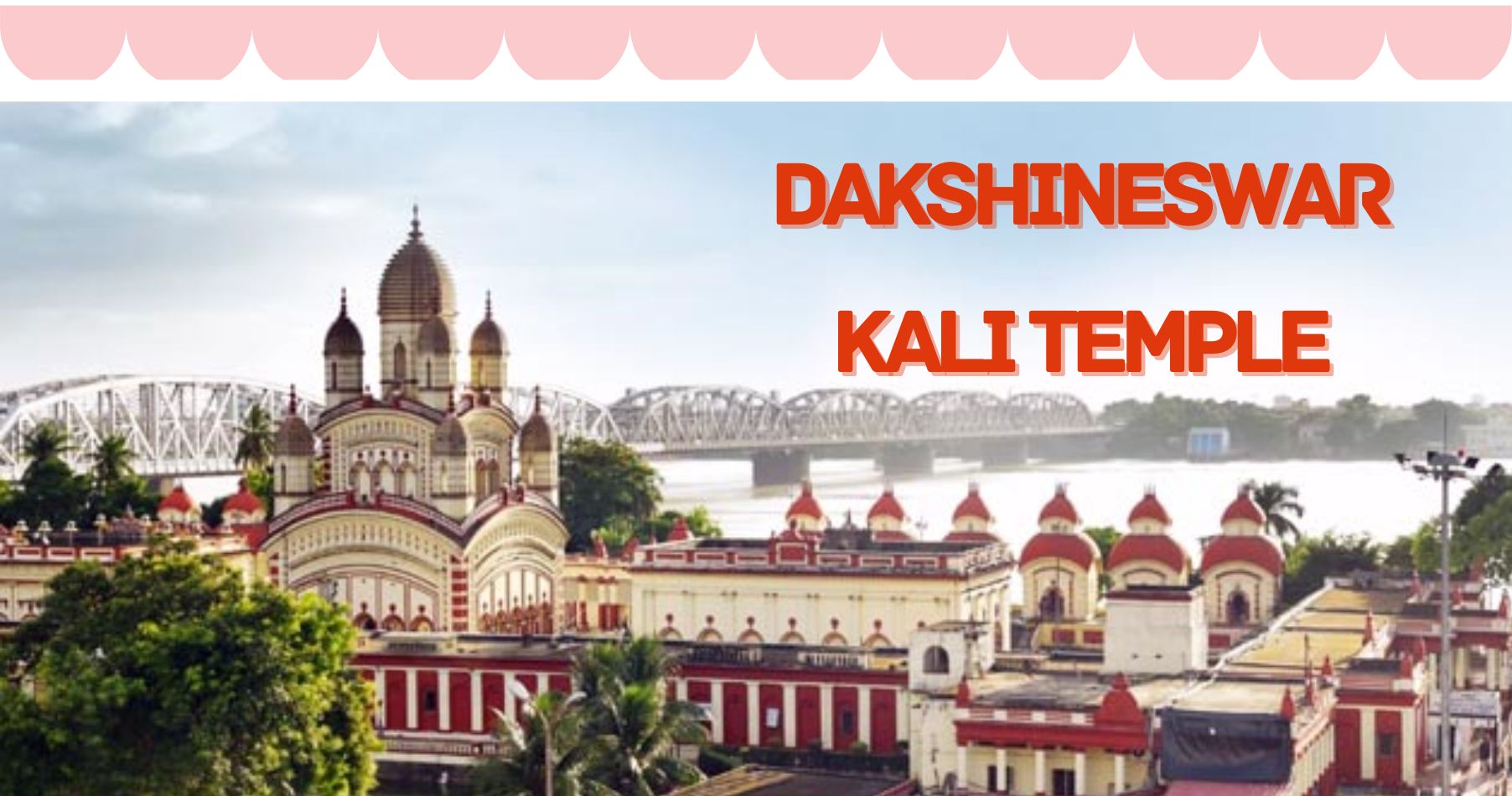
Discover the spiritual and historical significance of Dakshineswar Kali Temple, a magnificent landmark on the banks of the Hooghly River. Explore its architectural beauty, dakshineswar temple timings, and nearby attractions such as Belur Math and Howrah Bridge. For an enhanced experience, consider a luxurious stay at a nearby 5-star hotel, combining comfort with easy access to Kolkata’s vibrant culture.
Kolkata, a city steeped in cultural richness and spiritual vibrancy, is home to many treasures. Among its most revered landmarks is the Dakshineswar Kali Temple, known for its architectural grandeur and deep spiritual significance.
This iconic temple not only embodies Kolkata’s religious fervor but also stands as a testament to the city’s historical legacy. If you're planning to visit the spiritual and historical heart of Kolkata, the Dakshineswar Kali Temple is an experience you simply can't miss.
Dakshineswar Kali Temple is generally open daily for devotees and visitors. Knowing the temple timings helps you plan a smooth and peaceful darshan experience.
The temple usually opens in the morning and remains accessible for visitors in two main sessions during the day.
Temple Opening Time – 6:00 AM
Morning Darshan – 6:00 AM to 12:30 PM
Evening Darshan – 3:00 PM to 8:00 PM
Temple Closing Time – 8:00 PM
Timings may vary slightly during special religious events, festivals, or temple ceremonies, so visitors are advised to check the latest schedule before planning their vis
Here’s your ultimate guide to making the most of your visit to this revered temple.
The Dakshineswar Kali Temple, located on the eastern bank of the Hooghly River, is dedicated to Goddess Kali, one of the most revered deities in Hinduism. Built in 1855 by Rani Rashmoni, the temple stands as a symbol of devotion and architectural brilliance. It is not just a place of worship but also a significant historical site that attracts both devotees and tourists.
The temple complex is renowned for its grandeur, featuring majestic architecture and a spiritual aura that envelops the entire area. The primary deity, Kali Ma, is depicted in her fearsome form, symbolizing both the destructive and creative forces of nature.
Dakshineswar Kali Temple holds immense spiritual importance due to its association with Sri Ramakrishna Paramahamsa, the revered mystic saint and spiritual leader. He served as a priest at the temple and attained profound spiritual realizations here, making the temple a major pilgrimage site for followers of the Ramakrishna Order.
Before visiting, it’s essential to know the Dakshineswar Temple opening hours. The temple is open daily, typically from 6:00 AM to 12:30 PM and from 3:00 PM to 8:00 PM. However, these hours may vary slightly on special occasions and during religious ceremonies. To ensure you have the most accurate timings, it’s advisable to check the temple’s official website or contact them directly before your visit.
Also Read: Kolkata’s Must-Attend Food Festivals for Culinary Enthusiasts
Early mornings are ideal for a peaceful darshan with fewer crowds. Tuesdays, weekends, and major festivals such as Kali Puja and Durga Puja tend to be significantly busier. Winter months are particularly pleasant for visitors due to Kolkata’s comfortable weather.
Arriving at Dakshineswar Kali Temple
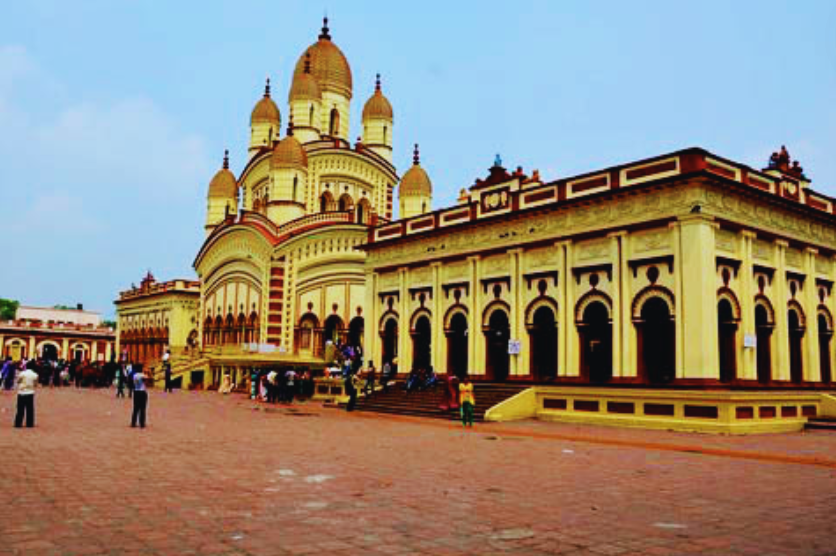
As you approach the Dakshineswar Kali Temple, you’ll be greeted by its majestic façade and lush green surroundings. The temple’s architectural style is reminiscent of traditional Bengali temple designs, with elaborate terracotta work and striking spires. The serenity of the Hooghly River further enhances the tranquility of the temple complex.
Temple Architecture & Layout
The temple complex features a navaratna (nine-spired) main shrine, surrounded by smaller shrines dedicated to Shiva and other deities. The expansive courtyard and river-facing ghats add to the temple’s serene and spiritual ambiance.
Darshan Experience at Dakshineswar Kali Temple
Devotees visiting Dakshineswar Kali Temple can experience a peaceful darshan of Goddess Kali in the main sanctum. During early mornings and late evenings, the temple atmosphere becomes especially serene, allowing visitors to fully immerse themselves in prayer and devotion.
Inside the Temple
The temple is divided into several sections, including the main shrine dedicated to Kali Ma and several smaller temples within the complex. The main temple houses the deity in a beautifully adorned sanctum. Visitors are often struck by the vibrant atmosphere and the deep sense of devotion that fills the air.
A large courtyard serves as a gathering place for devotees participating in prayers and rituals. Throughout the year, the temple hosts various religious ceremonies and events, offering visitors a fascinating glimpse into the spiritual traditions of Kolkata.
Also Read: 7 Historical Destinations to Include in Your Kolkata Road Trip Itinerary
Rituals & Offerings
Daily rituals include morning aarti, bhog offerings, and evening prayers. Devotees often offer flowers, sweets, and symbolic items as part of their worship. Special ceremonies are conducted during auspicious days and festivals.
Nearby Attractions
While Dakshineswar Kali Temple is a destination in itself, several other nearby attractions make for a fulfilling visit:
Visitors are encouraged to follow temple guidelines while visiting Dakshineswar Kali Temple. Maintaining a respectful atmosphere helps preserve the temple’s spiritual environment.
• Footwear must be removed before entering the temple complex.
• Mobile phones and cameras may be restricted inside the main shrine.
• Devotees are advised to carry minimal belongings.
• Visiting early in the morning can help avoid long queues.
Belur Math – Located across the river, this serene headquarters of the Ramakrishna Order provides a peaceful setting for meditation and reflection, making it an ideal addition to your temple visit.
Howrah Bridge – A symbol of Kolkata, this iconic bridge offers breathtaking views of the Hooghly River and showcases the city's vibrant energy.
Vivekananda Setu (Bally Bridge) – Connecting Dakshineswar to Howrah, this historic bridge is a great spot for photography, especially at sunset, offering stunning panoramic river views.
Kumartuli – Known for its idol-making workshops, this traditional artisan village offers a glimpse into Kolkata’s rich culture. It’s a fascinating place to witness the craftsmanship behind the city’s famous Durga Puja celebrations.
Also Read: Witness Bengal’s Best at The LaLiT Ashok Bengali Bhoj Utsav
By Train: Dakshineswar Railway Station is the closest stop
By Metro: Dakshineswar Metro Station provides convenient access
By Ferry: Boat services from Belur Math offer a scenic river route
By Road: Easily accessible via taxis and app-based cab services
Make your visit to Dakshineswar Kali Temple even more memorable with a luxurious stay at The LaLiT Great Eastern Kolkata. Located in the heart of the city, this 5-star heritage hotel seamlessly blends classic charm with modern elegance, offering an upscale retreat for those who appreciate comfort and sophistication.
After immersing yourself in the temple’s spiritual aura, treat yourself to a memorable dining experience at one of the best 5-star restaurants in Kolkata, located right within the hotel. Enjoy signature cocktails at Wilson's - The Pub, and indulge in gourmet flavors at The Legacy Lounge, where exquisite cuisine meets impeccable service, ensuring a delightful culinary experience.
Relax in spacious, well-appointed rooms, rejuvenate with a luxurious spa session, or simply unwind in a serene ambiance that feels worlds away from the city’s hustle. Conveniently located, The LaLiT Great Eastern Kolkata serves as the perfect base—not just for visiting Dakshineswar Kali Temple but also for experiencing Kolkata’s rich cultural heritage and vibrant energy.
Visit early to avoid long queues
Dress modestly and respectfully
Avoid carrying large bags and valuables
Photography may be restricted inside the temple
A visit to Dakshineswar Kali Temple is more than just a sightseeing trip—it’s a spiritual and cultural journey into Kolkata’s rich history. As you explore this magnificent temple, you will not only witness its stunning architecture but also experience the deep devotion that defines this sacred place.
The Dakshineswar Kali Temple is not just a place of worship; it is a gateway to Kolkata’s soul—a place where the city’s spiritual past and dynamic present come together. Whether you seek blessings, history, or cultural insight, this visit promises to be a truly memorable and enriching experience.
1. What are the opening timings of Dakshineswar Kali Temple?
Dakshineswar Kali Temple is generally open daily from 6:00 AM to 12:30 PM and from 3:00 PM to 8:00 PM. Timings may vary on special occasions and during major festivals.
2. Which is the best time to visit Dakshineswar Kali Temple?
Early mornings are ideal for a peaceful darshan with fewer crowds. Weekends, Tuesdays, and festival days tend to be more crowded.
3. Who built Dakshineswar Kali Temple?
The temple was built in 1855 by Rani Rashmoni, a philanthropist and devotee of Goddess Kali.
4. What is the spiritual significance of Dakshineswar Kali Temple?
The temple is dedicated to Goddess Kali and is closely associated with Sri Ramakrishna Paramahamsa, who attained spiritual enlightenment here. It is one of Kolkata’s most important spiritual landmarks.
5. Is there any dress code for visiting Dakshineswar Kali Temple?
There is no strict dress code, but visitors are encouraged to wear modest and respectful clothing in keeping with the temple’s spiritual environment.
I'm glad to hear that you found the blog helpful! If you have any questions or need further assistance on any topic covered in the blog, feel free to ask. I'm here to help!